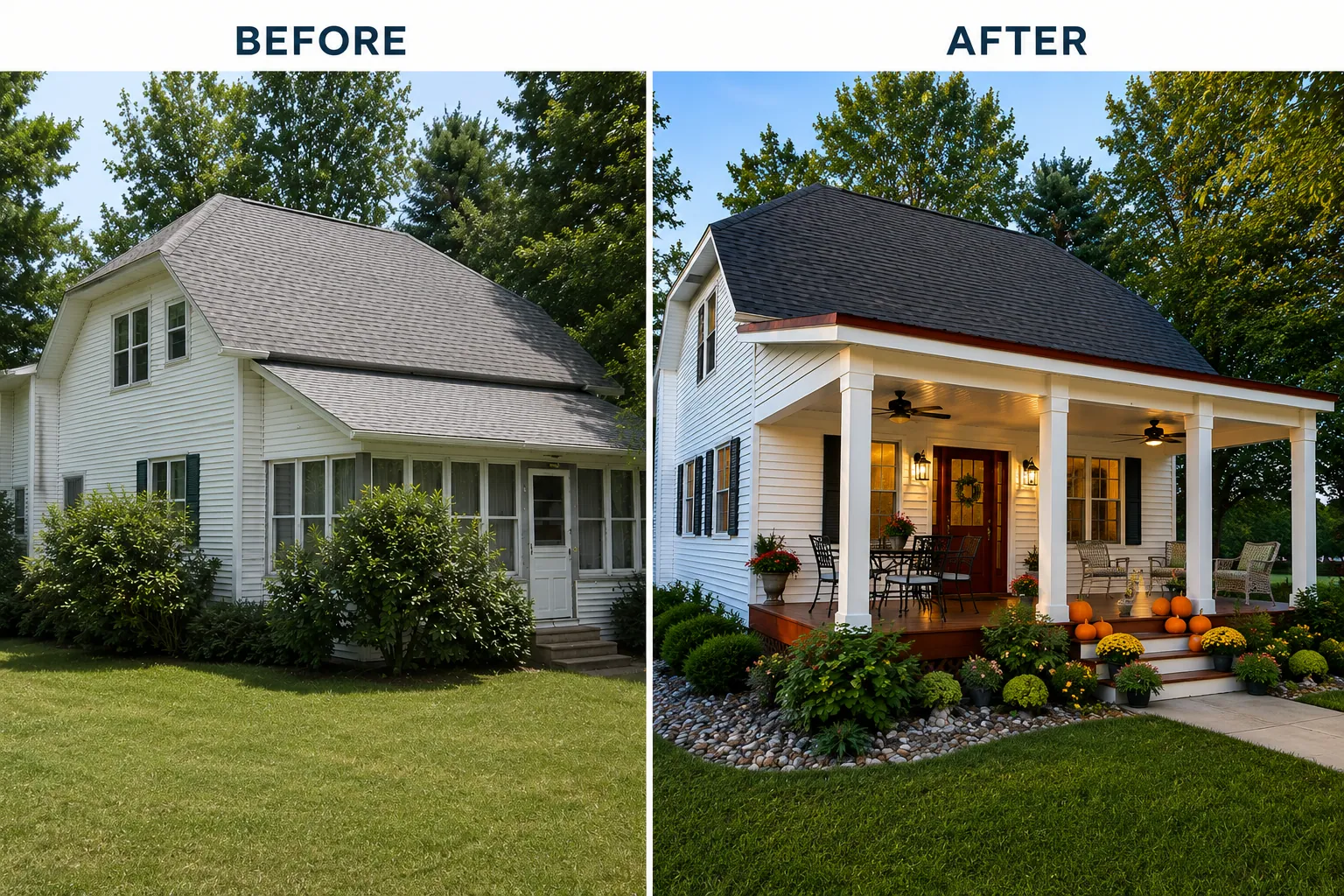
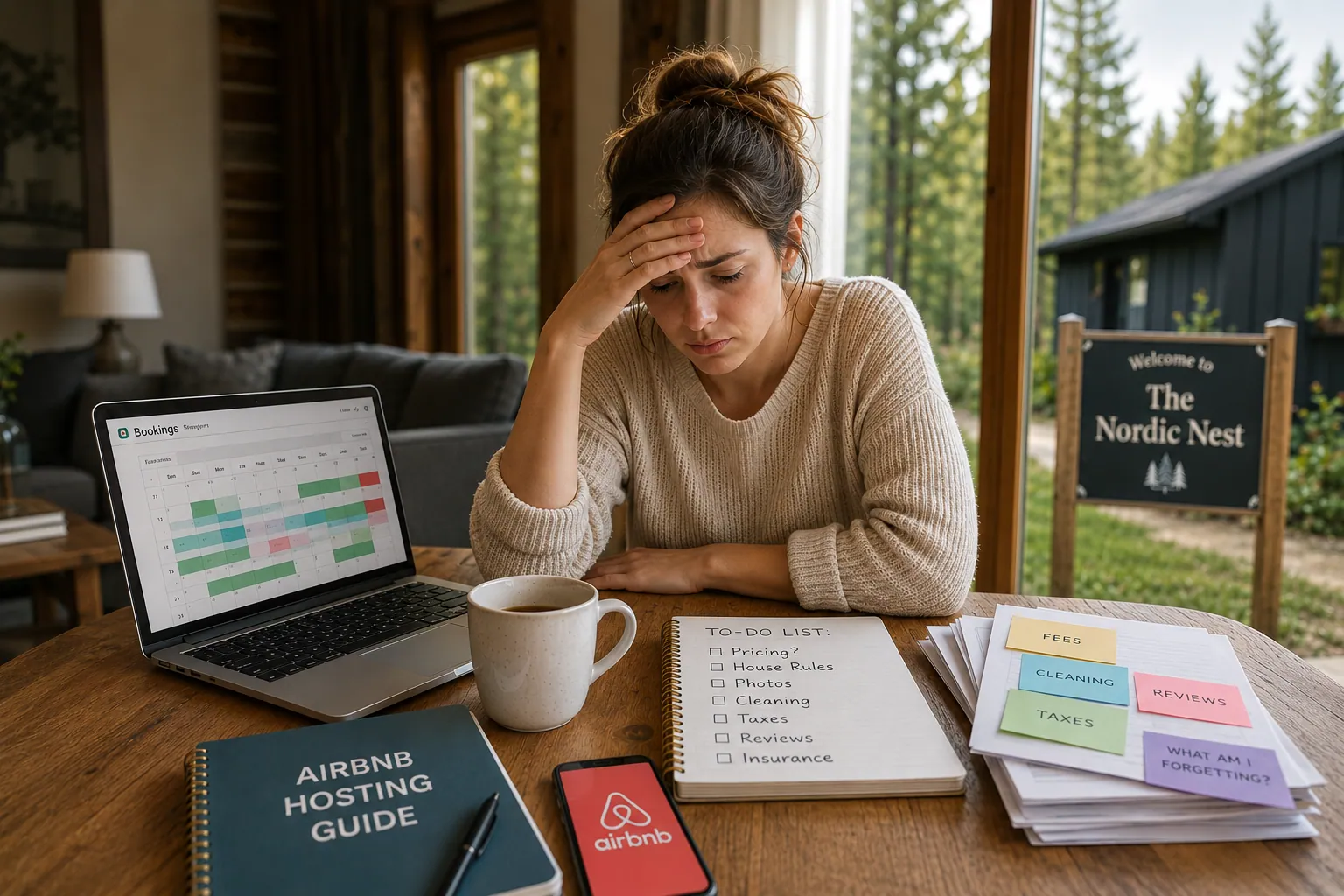
When we became short-term rental hosts, we thought renovating the property would be the hard part. We were wrong.
The bigger challenge was learning to think like hosts, not homeowners.
Over the years, we’ve hosted hundreds of guests in several very different properties—a restored farmhouse, a home with a dedicated rental wing, an ADU, and a luxury mountain retreat. We’ve made our share of mistakes along the way, and we’ve learned that many hosting problems can be avoided with a little planning.
If you’re thinking about starting a short-term rental, here are ten common mistakes new hosts make—and what you can do differently.
It’s easy to fall in love with a property and then ask, “Would this make a good Airbnb?”
A better question is: “What kind of property are travelers looking for in this market?”
Every destination attracts different guests. Families heading to a lake may want plenty of bedrooms and outdoor space, while couples planning a wine-country weekend may care more about privacy, views, and a great outdoor area.
Before you buy, research comparable short-term rentals. Look at nightly rates, occupancy, amenities, reviews, location, and the types of properties that seem to stay booked.
How to avoid it: Research the market first, identify your likely guest, and then look for a property that fits that demand.
Buying or renovating the property is only part of the investment.
Furniture, mattresses, linens, kitchen supplies, smart locks, insurance, permits, photography, landscaping, safety equipment, and all the little things guests expect can add up quickly. And there will almost always be something you didn’t anticipate.
It’s easy to spend your entire budget getting the property ready and leave too little for actually setting up the rental.
How to avoid it: Create a detailed startup budget before you begin and include a contingency fund. It’s much better to have money left over than to discover you’re thousands of dollars short just before your first booking.
Guests can’t walk through your property before they book it. Your photos have to do that job for you.
We’ve seen beautiful properties undersold by dark, poorly composed photos. Professional photography is one area where we believe it’s worth spending the money.
Good photos don’t just make a property look pretty. They help guests understand the layout, see your best amenities, and imagine themselves staying there.
How to avoid it: Hire a professional photographer with experience in real estate or vacation rentals. Make sure your photos are bright, accurate, current, and show the features that make your property worth booking.
This one is easy to do. You start shopping for a rental, and suddenly you’re choosing artwork, throw pillows, and decorative accessories as though you’re furnishing your own home.
There’s nothing wrong with creating a beautiful space, but comfort and function come first.
Guests are more likely to remember a comfortable mattress, good pillows, blackout curtains, bedside charging, reliable Wi-Fi, plenty of hot water, and a well-stocked kitchen than an expensive piece of wall art.
How to avoid it: Before buying décor, ask yourself what will make the stay more comfortable, convenient, or memorable for your guests. Take care of those things first, then add personality.
You know how your house works. Your guests don’t.
They don’t know which switch turns on the outside lights, where you’ve stored the extra towels, how to operate the thermostat, or which restaurant nearby is actually worth trying.
What seems obvious to you may not be obvious to someone who arrived after dark following a six-hour drive.
How to avoid it: Walk through the entire guest experience—from booking and arrival to checkout. Provide simple instructions, make important information easy to find, and answer common questions before guests have to ask.
Good hospitality often comes down to anticipating what your guests will need.
It’s natural to look at everything you’ve invested in your property and decide it should rent for a certain amount. Unfortunately, guests don’t base their decisions on what you spent.
Pricing is driven by the market.
Demand changes with the season, day of the week, local events, competition, and how far in advance guests are booking. A rate that works in July may make no sense in November.
How to avoid it: Watch comparable properties and adjust your rates regularly. You can use a dynamic pricing tool or manage pricing yourself, but don’t set a price once and forget about it.
Sometimes lowering the nightly rate slightly is far more profitable than holding out for a higher rate and ending up with an empty property.
“Beautiful home.”
“Great location.”
“Perfect getaway.”
None of those phrases tells a guest why they should choose your property.
Think about what guests will actually experience. Maybe it’s having morning coffee while looking at the mountains, walking to the beach, watching deer in the backyard, or gathering around the fire pit after a day of hiking.
Specific details help people picture the stay.
How to avoid it: Don’t simply list rooms and amenities. Highlight what makes your property different and describe the experience guests can expect. Be appealing, but also be accurate. Never promise something your property doesn’t deliver.
Nobody wants their listing to sound like a rule book, but avoiding house rules altogether can create much bigger problems.
Guests need to know your expectations before they book, especially around occupancy, pets, smoking, parties, parking, quiet hours, and property-specific restrictions.
Clear rules aren’t unfriendly. They prevent misunderstandings.
How to avoid it: Keep your rules reasonable, specific, and easy to understand. Include the important ones in your listing so guests know what they’re agreeing to before they reserve.
This is one of the biggest misconceptions about hosting.
Guests have questions. Appliances quit working. Cleaners get sick. Reservations change. Prices need adjusting. Something will eventually break at the worst possible time.
A successful short-term rental is a business, and it needs to be managed like one.
The good news is that hosting becomes much easier once you have good systems in place.
How to avoid it: Set up reliable systems for guest communication, cleaning, maintenance, pricing, bookkeeping, and emergencies. Automate what makes sense, but don’t automate hospitality out of the experience.
There’s a difference between waiting for perfection and opening before you’re ready.
You don’t need the perfect artwork or every decorative detail finished before accepting your first reservation. But the things that matter to guests need to be ready from day one.
The Wi-Fi should work. The beds should be comfortable. The kitchen should be stocked. The property should be spotless. Check-in instructions should be clear. And you should spend a night in the property yourself before asking someone else to pay to stay there.
How to avoid it: Do a complete guest walk-through before you publish your listing. Better yet, stay overnight. Cook a meal, take a shower, watch TV, use the Wi-Fi, sleep in the bed, and go through the checkout process.
You’ll notice things you would never catch by simply walking from room to room with a checklist.
We’ve made mistakes at every stage of hosting. Some cost us money. Others cost us time. Most taught us something that made the next property easier.
That’s one of the reasons we wrote Booked Solid. We wanted to share the lessons we wish we’d known when we started so new hosts don’t have to learn everything the hard way.
You don’t need to know everything before accepting your first guest, and your property doesn’t need to be perfect. But you do need to do your homework, prepare carefully, and be willing to keep learning.
Start with a solid plan, pay attention to your guests, and improve as you go. That’s how a good rental becomes a great one.
Category :
Share :