Not everyone is cut out to be a short-term rental host.
That may sound like an odd thing for us to say after writing a book about hosting, but it’s true. We’ve met people who love the business and others who quickly realized it wasn’t a good fit for their lifestyle, financial goals, or personality.
Hosting can be incredibly rewarding. It can provide extra income, help build long-term wealth, and give you the satisfaction of creating a place where people genuinely enjoy spending time.
But it also takes work.
Before you buy a property, or list one you already own, ask yourself an important question:
Is this a business I would actually enjoy?
At its heart, short-term rental hosting is hospitality.
Your guests aren’t simply paying for a place to sleep. They may be on a family vacation, celebrating an anniversary, attending a wedding, visiting their children at college, or finally taking a trip they’ve planned for years.
You don’t have to greet guests at the door or act as their personal tour guide. But you do have to care about their experience.
Is the house spotless when they arrive? Is the bed comfortable? Can they figure out how to use the TV? Is there enough hot water? Do they know where to park? Can they reach you if something goes wrong?
These may seem like small things, but they’re often what guests remember.
It’s easy to think of a short-term rental as simply another real estate investment. In reality, you’re also running a hospitality business.
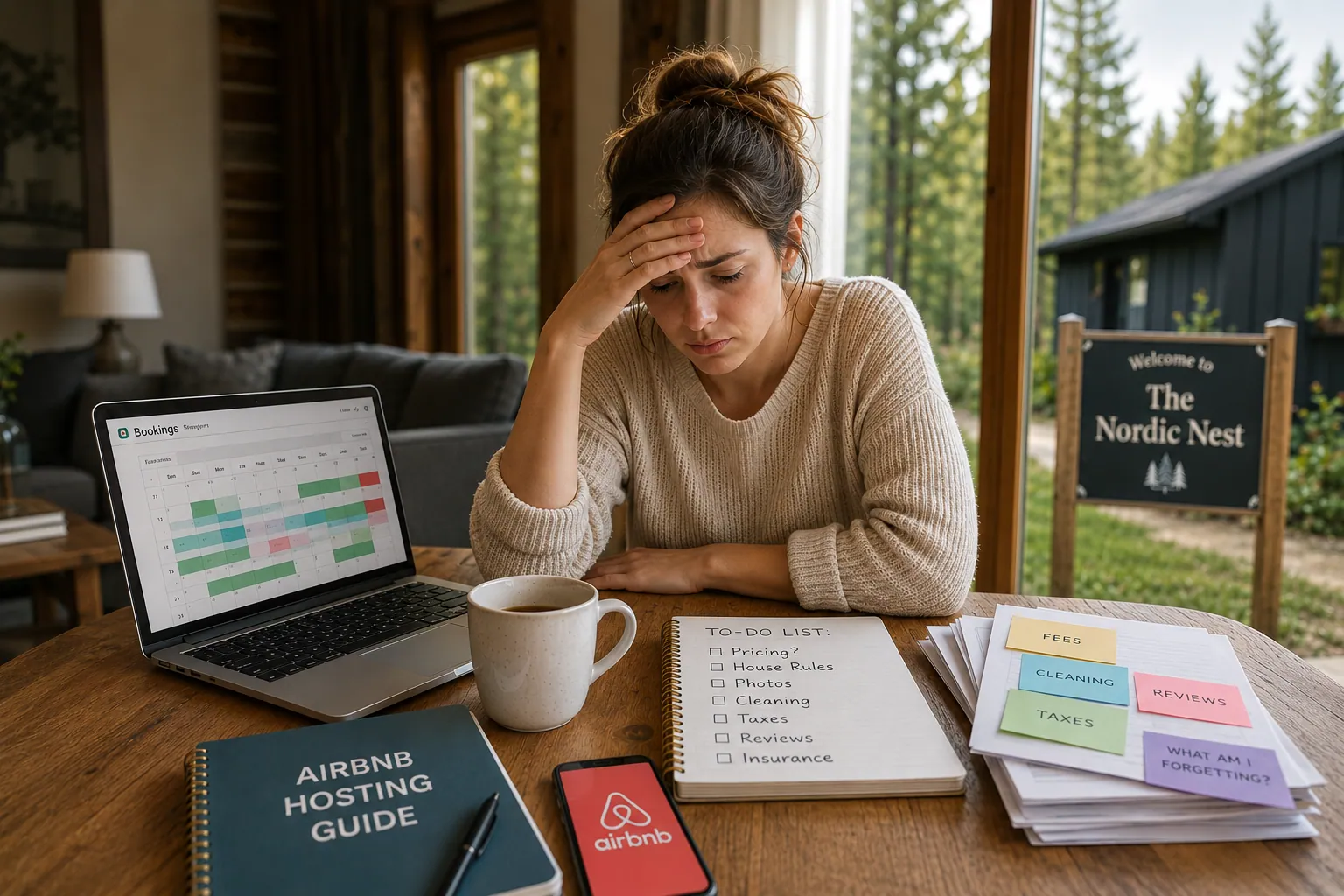
You’ll manage reservations, answer guest questions, coordinate cleaners, track expenses, make repairs, and adjust prices. And occasionally, you’ll need to deal with a problem you never saw coming.
You can automate many of these tasks, especially as your business grows, but you still need to stay involved.
If you like being organized, solving problems, and finding better ways to do things, hosting may be a natural fit. If you’re looking for completely passive income, it probably isn’t.
No matter how well you prepare, things will go wrong.
The dishwasher quits working during a stay. A guest can’t figure out the smart lock. The power goes out. Your cleaner gets sick the morning of a turnover.
We’ve learned that successful hosting isn’t about preventing every problem. That’s impossible. It’s about having a plan when something happens and responding quickly when your guests need you.
Reliable cleaners, trusted repair people, backup plans, good communication, and a little patience go a long way.
The cost of starting a short-term rental doesn’t end with the property itself.
Depending on your situation, you may need furniture, mattresses, linens, kitchen supplies, décor, smart locks, safety equipment, professional photography, insurance, permits, landscaping, and plenty of other items you didn’t think about when you made your original budget.
Then there are the ongoing expenses—utilities, cleaning, maintenance, repairs, supplies, platform fees, insurance, taxes, and replacement costs.
Build some breathing room into your budget. Something will eventually cost more than you expected.
One of the things we’ve enjoyed most about hosting is that there’s always something new to learn.
Guests will tell you what works—and sometimes what doesn’t work.
Maybe someone mentions that the bedroom could use blackout curtains. You realize there’s nowhere convenient to put a suitcase. Several guests use the fire pit, so you decide to improve the seating around it. Or you discover that your carefully designed coffee station is missing the one thing everyone seems to want.
Pay attention.
You don’t need to make every change a guest suggests, but repeated comments are worth listening to. Some of the best improvements we’ve made have come from simply looking at the property through our guests’ eyes.
You don’t have to be particularly tech-savvy to become a host, but you should be willing to learn.
You’ll probably use booking platforms, online calendars, smart locks, automated messages, pricing tools, payment systems, and other technology to run your rental.
The good news is that these tools can make hosting much easier. Once you have systems that work for you, many routine tasks can happen automatically, giving you more time to focus on the parts of hosting that actually need a human touch.
This may be the most important question.
Why do you want a short-term rental?
Maybe you want additional monthly income. Maybe you’d like a vacation property that helps pay for itself. You might be building a real estate portfolio, planning for retirement, or looking for a way to turn a property you already own into an income-producing asset.
Or maybe, like us, you simply enjoy renovating properties and creating places where people love to stay.
There’s no single right reason to become a host. But knowing your reason matters. It will influence the property you choose, how much you invest, how you operate it, and what success looks like to you.
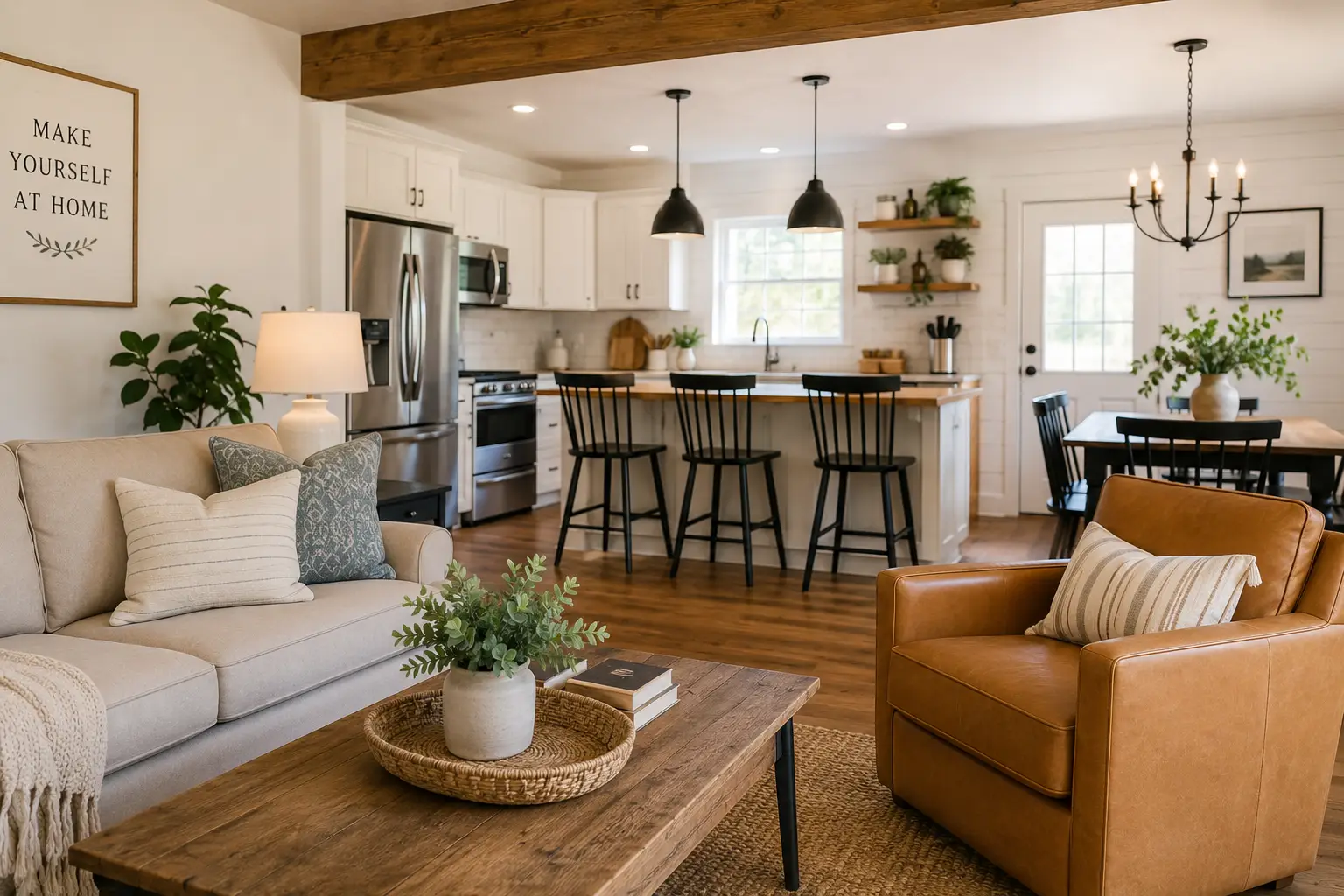
When we started renovating our first farmhouse, we weren’t thinking about building a hospitality business. We simply wanted to create a beautiful, comfortable place where people would enjoy spending time.
That first property led to another, and then another.
Over the years, we’ve completely renovated a property, built a house with a dedicated short-term rental wing, created an ADU, and turned a primary residence into a luxury mountain retreat. Each property was different, and each taught us something new.
Looking back, we realize that choosing good properties was only part of what made it work. We discovered that we genuinely enjoyed hosting.
We liked creating welcoming spaces and hearing that families had a wonderful weekend together. We enjoyed figuring out what could be better and making changes along the way. And yes, we even enjoyed reading the reviews.
The properties mattered, but enjoying the business mattered just as much.
You don’t have to be an expert in hospitality, real estate, technology, or interior design to become a successful host. You can learn most of those things.
What matters more is whether you’re willing to treat your rental like a business while remembering that there are real people on the other side of every reservation.
If you enjoy creating welcoming spaces, solving problems, learning as you go, and helping people have a great stay, hosting may be a very good fit for you.
And if you read through these questions and think, This doesn’t sound like something I’d enjoy, that’s valuable information too. It’s much better to figure that out before you’ve invested thousands of dollars in a property.
In Booked Solid: A Beginner’s Guide to Short-Term Rental Success, we walk you through the process from the beginning—from deciding whether hosting is right for you and researching your market to choosing a property, setting it up, pricing it, and welcoming your first guests.
Because the first decision isn’t which property to buy.
It’s whether you really want to become a host.
Category :
Share :